

In This Article
Stand in front of a wax melt display at any UK garden centre and you’ll notice something odd: half the labels say “fresh,” the other half say “clean cotton,” and they all promise roughly the same thing — a house that smells like laundry day, minus the laundry. It’s a small but genuinely confusing bit of scent marketing, and the fresh wax melts vs clean cotton wax melts debate trips up more shoppers than you’d think, because the two aren’t actually interchangeable once you get your nose (and your wallet) properly involved.

Here’s the short version. Fresh is a broad fragrance family built on citrus, ozonic and green notes — think an open window on a breezy morning. Clean cotton is a specific sub-genre within that family, layered with soft musk, white florals and that unmistakable “just off the washing line” warmth. Both live in the same neighbourhood; they just decorate their houses differently.
Getting this right matters more than it sounds, because the wrong pick can leave a room smelling either sterile and soapy or cloyingly powdery. Below, we’ve researched seven real, currently available wax melts across budget, mid-range and premium price points, broken down their actual fragrance notes (see the structure of a fragrance for the underlying logic), and worked out which one deserves a spot in your wax warmer.
Quick Comparison: Fresh Wax Melts vs Clean Cotton Wax Melts
| Feature | Fresh Wax Melts | Clean Cotton Wax Melts |
|---|---|---|
| Core notes | Citrus, ozone, green leaves, aquatic accords | White musk, cotton blossom, soft florals, light citrus |
| Character | Sharp, energising, “outdoors” | Warm, soft, “just-washed fabric” |
| Best rooms | Kitchens, hallways, bathrooms | Bedrooms, living rooms, airing cupboards |
| Typical price range | Around £2–£6 per pack | Around £3–£9 per pack |
| Best For | Morning routines, quick refresh | All-day comfort scent |
Looking at the table, fresh melts tend to win on immediacy — that citrus-and-ozone hit reaches your nose within seconds of the warmer heating up — while clean cotton melts play a longer, gentler game thanks to their musk and floral base holding fragrance in the wax for hours after the sharper top notes have burned off. If your priority is a quick blast before guests arrive, fresh is the safer bet; if you want a scent that lingers through an entire evening, clean cotton usually has the edge.
💬 Found a favourite already? A quick tap on the link below helps you lock in current pricing before it changes.
Top 7 Fresh & Clean Cotton Wax Melts: Expert Analysis
We’ve deliberately mixed budget, mid-range and premium options, plus a couple of smaller UK makers you won’t find shouted about on the high street.
1. Yankee Candle Clean Cotton Wax Melts — the mainstream benchmark everyone measures against
If you’ve ever wondered what “clean cotton” is supposed to smell like, Yankee Candle Clean Cotton Wax Melts are effectively the industry reference point — most other brands’ cotton scents are, whether they admit it or not, reacting to this one. The blend combines sun-dried cotton with green stems, white florals and a whisper of lemon, sold in a six-melt pack designed for the brand’s own warmers but compatible with almost any electric burner on the market.
In practice, that green-floral backbone is what separates it from a straightforward “fresh” melt — it’s rounder and softer, closer to a fabric conditioner than an open window. It suits anyone who wants a reliably inoffensive, crowd-pleasing scent for a hallway or guest bathroom, and it’s a sensible starting point if you’re new to the category and don’t yet know which side of the fresh-versus-cotton divide you fall on.
Aggregated online reviews are strongly positive overall, with most buyers praising the room-filling throw, though a minority of reviewers note that individual melts can burn through their scent faster than expected, particularly in smaller warmers. Reviewers consistently flag it as one of the more “true to name” cotton scents on the market, rather than veering into powdery baby-powder territory the way some cheaper alternatives do.
Pros:
- ✅ Widely recognised, consistent scent every time you buy
- ✅ Works in virtually any wax warmer on the market
- ✅ Reversible melt shape wastes very little wax
Cons:
- ❌ Some batches run through fragrance faster than others
- ❌ Green-floral base won’t suit fans of purely citrus-fresh scents
At around £3–£5 for a six-pack, cost-per-hour compares favourably with premium indie brands, though you’re paying largely for brand consistency rather than novelty.

2. Wax Lyrical Fresh Linen Wax Melts — best British-made fresh alternative
Made at Wax Lyrical’s Lake District factory, Wax Lyrical Fresh Linen Wax Melts sit firmly on the “fresh” side of the fence rather than the cotton one, opening with sparkling citrus before settling into fresh florals over a warm, comforting base note. Where the Yankee cotton scent leans soft and musky, this one stays brighter for longer, making it a genuinely different proposition rather than just a rebrand of the same idea.
Based on the spec comparison, the citrus-forward structure means it reads as more “just opened the windows” than “just did a wash,” which is exactly what you want if clean-cotton melts have ever struck you as a bit too soapy for your taste. It’s part of a wider Made in England range that also covers reed diffusers and candles in the same fragrance, so if you like the melt you can layer the scent across a whole room without clashing notes — a genuine practical advantage over one-off indie scents that don’t have a matching diffuser.
Reviewer sentiment on Wax Lyrical’s own product pages and retailer sites is generally favourable, with the British manufacturing story adding a layer of trust that imported brands don’t automatically get. What most buyers overlook about this one is that the “sandalwood” base note, while subtle, gives it slightly more longevity in the wax pool than pure citrus-only competitors, which tend to fade to nothing after a few hours.
Pros:
- ✅ Genuinely bright, citrus-forward “fresh” profile, not cotton-soft
- ✅ Matching diffuser and candle available for room-wide consistency
- ✅ Made in England manufacturing with visible supply-chain transparency
Cons:
- ❌ Costs more than mainstream imported alternatives
- ❌ Citrus top note fades noticeably faster than the base
Priced in the £4–£6 range per pack, it sits in the mid-tier — a fair trade for UK manufacturing and matching product lines.
3. Shearer Candles Couture Wax Melts — best budget classic from a heritage maker
Founded in Glasgow in 1897, Shearer Candles is the UK’s longest-running lifestyle candle company, and its Couture range wax melts — including fresh, citrus-driven scents such as their lemon and verbena blends — are priced to encourage exactly the kind of scent-sampling that budget shoppers want. Each Shearer Candles Couture Wax Melts disc burns for up to roughly 20 hours, which on paper this means a genuinely low cost-per-hour compared with smaller snap-bar formats that typically last half that.
Honestly, the appeal here isn’t cutting-edge fragrance innovation; it’s dependable quality from a manufacturer that’s had over a century to iron out the basics, at a price that makes trying several scents in one order painless. For anyone specifically chasing the fresh side of the fresh-versus-cotton split rather than the musky-cotton side, this is one of the more citrus-accurate options on this list, without the premium mark-up that comes with newer indie brands chasing a trend.
The brand’s heritage and UK manufacturing base are frequently mentioned in customer feedback as reasons for repeat purchases, alongside the straightforward, no-nonsense fragrance strength. It’s not going to win any awards for creative note structures, but as a reliable, affordable fresh scent to keep in rotation, it earns its place.
Pros:
- ✅ Around 20-hour burn time per disc — genuinely long-lasting
- ✅ Low price point ideal for trying multiple fragrances
- ✅ UK manufacturer with 125+ years of candle-making experience
Cons:
- ❌ Fragrance range leans more citrus than true cotton-laundry
- ❌ Packaging is basic compared with gift-ready premium brands
At roughly £2 per melt, this is one of the cheapest genuinely fresh (rather than cotton) options on the list.
4. The Scenty Shop Clean Cotton Scented Wax Melts — best plastic-free budget cotton pick
The Scenty Shop Clean Cotton Scented Wax Melts take a different approach to the cotton-scent formula, blending crisp linen with eucalyptus, blossom and cut grass rather than the more common musk-and-floral combination — a genuinely distinctive twist within the clean cotton category. Sold in snap bars of roughly 25–30g, the format lets you break off exactly as much wax as a given room needs, which is a small but useful practical advantage over fixed single-melt shapes when you’re trying to stretch a bar across several uses.
What the spec sheet won’t tell you, but the brand’s own product description makes clear, is that this leans noticeably greener and crisper than the powdery-soft cotton scents dominating supermarket shelves — closer to fresh-cut grass drying in the sun than to fabric softener. That makes it a genuinely useful bridge product for anyone torn between fresh and clean cotton, since it borrows characteristics from both families.
The brand also ships in plastic-free packaging and states its melts are vegan and cruelty-free, which matters if sustainability credentials factor into your buying decision alongside scent. Customer feedback on the brand’s own site and social channels describes the scent as “magically fresh” and reminiscent of line-dried washing rather than synthetic soap, which tracks with the stated eucalyptus-and-cut-grass note structure.
Pros:
- ✅ Distinctive green-cotton hybrid scent, not overly powdery
- ✅ Snap bar format lets you control wax portions precisely
- ✅ Plastic-free, vegan and cruelty-free packaging credentials
Cons:
- ❌ Smaller UK indie brand, so stock availability can vary
- ❌ Greener profile may not suit those wanting a classic soft-cotton scent
At around £3–£5 per bar, it undercuts most mainstream brands while offering a genuinely different take on the category.
5. Ohmymelt Clean Cotton Snap Bar Wax Melt — best floral-forward cotton for the price
Hand-poured in Cheshire, Ohmymelt Clean Cotton Snap Bar Wax Melt builds its fresh-and-clean profile around violet and orange blossom, layered with green hints, jasmine and lily — a noticeably more floral-heavy structure than the cotton-musk blends most shoppers are used to. Based on the spec comparison with other budget snap bars on this list, the floral concentration here is higher, which in practice means the scent reads as slightly more “perfumed” and less “fabric softener” than something like Yankee’s Clean Cotton.
That’s a genuine point of difference worth knowing before you buy, because if you’re specifically chasing the laundry-scent association, this one drifts further from it than its name suggests. On the plus side, the brand is a small UK business using UK suppliers throughout its supply chain and actively minimising single-use plastic, which reviewers have called out favourably alongside the scent strength itself.
One verified customer review describes it as smelling “like having fresh outdoor washing inside,” which does suggest the floral top notes settle into something recognisably laundry-adjacent once the wax has been melting for a while, even if the opening moments read more floral than cottony.
Pros:
- ✅ Strong, long-lasting scent throw reported by customers
- ✅ UK small business using UK-sourced suppliers throughout
- ✅ Distinctive floral-forward twist on the classic cotton scent
Cons:
- ❌ More floral-perfumed than a straightforward laundry-cotton scent
- ❌ Limited availability compared with mainstream supermarket brands
Typically priced around £3–£4 per bar, it’s excellent value for a hand-poured, UK-made alternative to the big names.

6. Hampshire Wick Clean Cotton Wax Melts — best premium, longer-burning option
Where most of this list sits in budget-to-mid territory, Hampshire Wick Clean Cotton Wax Melts pushes into premium small-batch territory, with each pack of ten melts rated for roughly ten hours of scent release per piece — noticeably longer than the six-to-eight-hour window typical of mainstream single melts. Here’s what that means for cost-per-use: even at a higher upfront price, a genuinely longer burn time per melt can bring the real cost-per-hour closer to budget options than the sticker price first suggests, which is the kind of value/ROI calculation that’s easy to miss when comparing packs by price alone rather than by hours of fragrance delivered.
The brand positions itself as a luxury wax melt maker rather than a mass-market one, and that positioning shows in the presentation and pack size rather than in any radically different note structure — this is still recognisably within the clean cotton family, just delivered with a longer, steadier release. It’s the pick for anyone who’s tired of replacing melts every evening and would rather pay more upfront for fewer, longer-lasting pieces.
As with several of the smaller UK makers on this list, independently verifiable customer review data is more limited than for the mainstream brands, so treat the “premium” positioning as a reflection of pack size and burn time claims rather than an independently audited scent-strength ranking.
Pros:
- ✅ Roughly 10-hour burn time per melt — longer than most rivals
- ✅ Pack of 10 offers strong value once burn time is factored in
- ✅ Positioned and priced as a genuine luxury small-batch product
Cons:
- ❌ Higher upfront price than mainstream supermarket brands
- ❌ Fewer independently verifiable customer reviews to draw on
Expect to pay in the £8–£12 range for a pack of ten, which works out competitively once the extended burn time is accounted for.
7. Bishy Barnabees Cottage Garden Fresh Linen Botanical Wax Melts — best for a genuinely layered fragrance breakdown
Hand-poured in Norfolk, Bishy Barnabees Cottage Garden Fresh Linen Botanical Wax Melts is one of the few products on this list that publishes a proper note pyramid rather than a single vague scent description, opening with fresh ozone, citrus and green apple, moving into a floral heart of violet, lily and jasmine, and finishing on a soft cotton-and-white-musk base. That transparency is genuinely useful if you’re the kind of buyer who wants to understand why a scent smells the way it does rather than just taking the label’s word for it — see our fragrance note breakdown further down this article for how that structure plays out over the course of an evening.
The brand markets it explicitly as sitting between fresh and clean cotton, which the note structure backs up: citrus-and-ozone top notes place it in fresh territory initially, before the musk base pulls it toward classic cotton comfort as the evening wears on. Each melt is finished with a scattering of dried botanical petals, a decorative touch aimed at buyers who want their wax melts to look considered rather than purely functional.
Reviewer sentiment on the brand’s own product page describes the scent as “sophisticated” and free of the “harsh chemical smell” some shoppers associate with supermarket alternatives, though as with other small independent makers, this feedback comes primarily from the brand’s own channels rather than a large, independently aggregated review pool.
Pros:
- ✅ Full, transparent top/mid/base note breakdown published
- ✅ Genuinely bridges the fresh and clean cotton fragrance families
- ✅ Plastic-free packaging with decorative botanical detailing
Cons:
- ❌ Premium price relative to mainstream single-note melts
- ❌ Reviews are largely brand-hosted rather than independently verified
Priced around £6–£9 per pack, it’s aimed at buyers who value fragrance craftsmanship over sheer value-per-hour.
Top 7 at a Glance: Spec & Price Comparison
| Product | Scent Family | Burn Time (approx.) | Price Range | Best For |
|---|---|---|---|---|
| Yankee Candle Clean Cotton Wax Melts | Clean cotton | 6–8 hrs/melt | £3–£5 | Reliable all-rounder |
| Wax Lyrical Fresh Linen Wax Melts | Fresh | 4–6 hrs/melt | £4–£6 | Bright, citrus-forward fresh |
| Shearer Candles Couture Wax Melts | Fresh | Up to 20 hrs/disc | Around £2 | Best value fresh option |
| The Scenty Shop Clean Cotton Scented Wax Melts | Clean cotton (green twist) | Varies by portion | £3–£5 | Plastic-free budget pick |
| Ohmymelt Clean Cotton Snap Bar Wax Melt | Clean cotton (floral-forward) | Varies by portion | £3–£4 | UK small-business support |
| Hampshire Wick Clean Cotton Wax Melts | Clean cotton | Approx. 10 hrs/melt | £8–£12 | Longest burn per melt |
| Bishy Barnabees Fresh Linen Botanical Wax Melts | Fresh/cotton hybrid | Not specified | £6–£9 | Fragrance-note transparency |
Reading across this table, the biggest gap isn’t price — it’s burn time per melt, which varies from roughly six hours to a claimed ten, meaning a pricier pack can still work out cheaper per hour of fragrance. Shearer Candles Couture Wax Melts stands out as the best pure value option thanks to its long disc burn time at a low unit price, while Hampshire Wick Clean Cotton Wax Melts justifies its premium positioning specifically through longevity rather than novelty.

Practical Usage Guide: Getting the Most From Your Wax Melts
Buying the right scent is only half the job — how you use it changes everything about how long it lasts and how strong it smells. First, always let a melt fully liquefy before judging its strength; the fragrance intensity you smell in the first five minutes is rarely representative of the full throw once the wax pool has heated through completely. Second, resist the urge to keep adding fresh wax on top of old, spent wax — this is the single most common mistake new users make, and it dilutes fragrance rather than boosting it, since the old wax has already released most of its scent compounds. Instead, scoop out the old wax with a cotton bud or dedicated wax melt tool once the scent has faded, and start fresh.
Placement matters more than most people realise: a warmer positioned in a draughty hallway will throw scent far less effectively than one in a smaller, more enclosed room, simply because there’s less air movement carrying the volatile top notes away before they’ve had a chance to build up. For fresh, citrus-driven scents specifically, a slightly cooler, tea-light-style warmer tends to preserve the sharper top notes for longer than an electric warmer running at maximum heat, which can burn through delicate citrus and ozonic notes within an hour. Clean cotton melts, with their heavier musk and floral base, generally tolerate higher, more consistent electric heat better, since those notes are designed to be slow-release by nature. A common first-30-days mistake is buying only one warmer for the whole house — most experienced users end up running two or three simultaneously in different rooms with different scent profiles, since fresh and clean cotton don’t always blend well if their scent trails overlap in open-plan spaces.
Real-World Scenarios: Which Scent Suits Your Home
If you’re a first-time renter in a small studio flat with limited ventilation, a lighter, fresher scent such as Wax Lyrical Fresh Linen Wax Melts makes more sense than a heavy cotton-musk blend, since smaller spaces amplify fragrance concentration and a strong clean cotton scent can quickly tip into overpowering in a room with only one window. Budget matters here too — with rent already stretching finances thin, the roughly £2 Shearer Candles Couture Wax Melts offer a way to keep a fresh scent rotating without a big outlay.
For a family with young children and pets in a three-bedroom semi, a scent that works across an open-plan kitchen-diner without being so strong it triggers headaches is the priority, which points toward the more moderate, floral-balanced Yankee Candle Clean Cotton Wax Melts — a scent specifically designed for broad appeal and consistent room-filling coverage rather than intensity. Given the higher foot traffic and cooking smells typical of a busy family kitchen, a reliable, well-tested scent beats an experimental niche blend here.
Finally, picture a couple in their late thirties furnishing a first house together, with a bit more disposable income and an interest in sourcing considerately made products rather than the cheapest option on the shelf. For them, something like Bishy Barnabees Cottage Garden Fresh Linen Botanical Wax Melts — plastic-free, hand-poured, and with a genuinely interesting note structure — fits both the budget and the values, even at a higher price point than the supermarket alternatives.
Problem → Solution: Common Wax Melt Complaints Solved
Problem: The scent disappears after a day. This usually comes down to using a melt shape too small for the room, or not breaking it into the correct portion size stated by the brand. Solution: check the manufacturer’s recommended room size and don’t skimp on wax quantity for larger spaces — snap bar products like The Scenty Shop Clean Cotton Scented Wax Melts let you scale portion size up for bigger rooms specifically to address this.
Problem: The whole house smells like a perfume counter. Overpowering scent almost always comes from running too many warmers with clashing fragrance families at once. Solution: stick to one scent family — either fresh or clean cotton — per floor of the house, rather than mixing a citrus-fresh melt in the kitchen with a heavy floral-cotton one in the adjoining living room.
Problem: The wax pool never fully melts. This is typically a warmer wattage issue rather than a wax quality issue. Solution: check your warmer’s wattage against the manufacturer’s guidance; most standard electric warmers need at least 15–25 watts to fully liquefy a standard melt within 30–40 minutes.
Problem: You can’t tell fresh and clean cotton apart in-store. Read the listed top notes on the packaging rather than relying on the product name alone — if citrus or ozone is listed first, it’s genuinely fresh; if musk or cotton blossom leads, it’s genuinely clean cotton, regardless of what the marketing name implies.
Problem: A favourite scent gets discontinued. Solution: look at the underlying note structure rather than the brand name, and search for a similar profile elsewhere — as shown by Bishy Barnabees Cottage Garden Fresh Linen Botanical Wax Melts, which openly markets itself as sitting between the two families, giving you a fallback that hedges your bets.
Fragrance Note Breakdown: What’s Actually in a Fresh or Clean Cotton Melt
Every fragrance, whether it’s in a bottle of perfume or a block of scented wax, is built on the same underlying structure: a pyramid of top, middle and base notes that reveal themselves at different speeds as the fragrance’s volatile compounds evaporate at different rates. Top notes are the lightest and most volatile molecules — typically citrus, green leaves or ozonic “fresh air” accords — and they’re what you smell first when a wax melt starts to liquefy, usually fading within the first hour or so. Middle, or heart, notes are heavier and more dominant, generally floral in both fresh and clean cotton wax melts, which is exactly why so many “cotton” scents lean on jasmine, lily or violet rather than pure soap-like accords. Base notes are the slowest to evaporate and the ones responsible for a melt’s staying power — in clean cotton blends, this is almost always where soft white musk sits, giving the scent its familiar, comforting “just off the washing line” quality long after the sharper top notes have gone.
This structure explains, in practical terms, why fresh melts smell strongest in the first hour and fade faster overall, while clean cotton melts build more slowly but linger for longer — the musk base is doing exactly what base notes are designed to do. It also explains why a product like Bishy Barnabees Cottage Garden Fresh Linen Botanical Wax Melts, with its published ozone-and-citrus top, floral heart and musk base, genuinely does transition from “fresh” to “cotton-comforting” over the course of an evening, rather than that being a marketing exaggeration.
How to Choose Between Fresh Wax Melts and Clean Cotton Wax Melts
- Identify the room’s purpose first. Fresh scents suit functional spaces — kitchens, bathrooms, hallways — where a quick, energising hit matters more than longevity.
- Check the top note, not just the product name. Citrus, ozone or green leaf listed first signals genuinely fresh; musk or cotton blossom signals true clean cotton, regardless of branding.
- Match burn time to your budget realistically. A £2 melt lasting 20 hours can beat an £8 melt lasting 6, so compare cost-per-hour rather than shelf price.
- Consider your room size honestly. Smaller rooms need less wax and a lighter fresh scent; larger, open-plan spaces can handle — and often need — the deeper throw of a clean cotton blend.
- Think about who else lives there. Pets, small children or anyone with fragrance sensitivities generally tolerate lighter fresh scents better than heavily musked cotton blends.
- Decide if you want a matching diffuser or candle. Ranges like Wax Lyrical Fresh Linen Wax Melts let you carry one scent across multiple product types, which pure wax-melt-only indie brands often can’t offer.
- Factor in your values, not just the scent. If plastic-free packaging or UK small-business sourcing matters to you, brands like The Scenty Shop Clean Cotton Scented Wax Melts and Ohmymelt Clean Cotton Snap Bar Wax Melt are worth the modest price premium over mass-market alternatives.
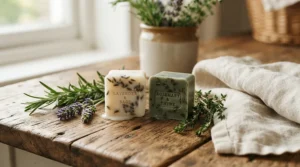
Fresh Wax Melts vs Clean Cotton Wax Melts: The Scent Family Breakdown
Fragrance houses generally group scents into recognised families — floral, woody, oriental, and fresh among them — and both “fresh” and “clean cotton” wax melts sit within the broader fresh family, just at different points along it. True fresh scents draw heavily on citrus, aquatic and green sub-groups: think grapefruit, sea spray, cut grass. Clean cotton scents borrow the same fresh-family DNA but blend it with musk-family base notes, technically making them a hybrid — fresh on top, musk underneath. This is precisely why Yankee Candle Clean Cotton Wax Melts and Wax Lyrical Fresh Linen Wax Melts can both claim to be “fresh and clean” while smelling genuinely different side by side; one leans fully into the citrus-green branch of the family, the other borrows from musk to add warmth and depth.
Understanding this classification is more than trivia — it directly predicts how a scent will behave in your home. Melts drawing more heavily on the musk sub-family, like Hampshire Wick Clean Cotton Wax Melts, will generally build slowly and linger, since musk molecules are heavier and slower to evaporate than the citrus and green compounds dominating purer fresh blends. If you’ve ever bought a “fresh” scent expecting it to last all evening and found it fading within two hours, this family structure is almost certainly why.
The Laundry-Scent Trend: Why We Can’t Stop Buying Clean Smells
The laundry-scent trend has moved well beyond fabric softener aisles in the past few years, with fine fragrance houses and even standalone laundry-detergent brands now competing to bottle the smell of freshly washed cotton. Industry trend analysis has pointed to a broader consumer shift toward “clean” and laundry-adjacent scent profiles as adults increasingly treat fragrance in the home the same way they treat fragrance on their skin — as a considered, signature choice rather than an afterthought. This mirrors exactly what’s happening in the UK wax melt market: brands are no longer content with a single generic “fresh linen” offering, instead publishing detailed note breakdowns and marketing cotton scents with the same seriousness as a fine fragrance launch.
Part of the appeal is psychological rather than purely olfactory — a clean, laundry-like scent is widely associated with tidiness and freshly reset spaces, which is precisely why brands lean so heavily on words like “just washed” and “line-dried” in their marketing copy, even when, as with several products on this list, the actual note structure is built from synthetic musk and citrus rather than anything derived from an actual washing line. Reviewers consistently note that this psychological association is a genuine part of the appeal — a clean cotton scent doesn’t just mask odours, it signals a “reset” the same way opening a window does, which likely explains why the category has grown steadily even as overall home fragrance spending has fluctuated with the wider economy.
Common Mistakes When Buying Wax Melts
The single biggest mistake shoppers make is buying based on the product name alone rather than the listed notes — as this guide has already covered, a “fresh linen” product can lean either citrus-fresh or cotton-musk depending on the brand, and the name alone won’t tell you which. A close second is ignoring wattage compatibility between a chosen wax melt and an existing warmer; underpowered warmers won’t fully liquefy denser soy-based melts, leading many buyers to wrongly conclude a scent is “weak” when the real issue is heat output. Buyers also frequently overlook burn-time-per-pound value, comparing sticker prices directly without factoring in how many hours of fragrance each pack actually delivers — as the earlier spec table shows, this can flip which product is genuinely the better deal.
There’s also a regulatory blind spot worth knowing about: UK trading standards bodies have specifically flagged wax melts as a product category requiring proper safety labelling and childproof design, particularly where scents or shapes mimic food items such as sweets or cakes, since these can pose choking or ingestion risks to young children. It’s worth checking that any smaller independent seller you buy from — particularly novelty-shaped melts — displays clear safety warnings and age-appropriate design, rather than assuming all wax melts are automatically child-safe simply because they’re flame-free.
Long-Term Cost & Maintenance
Wax melts are cheap individually, but the ongoing cost adds up faster than most buyers expect, particularly for households running multiple warmers daily. Using the products on this list as a benchmark, a single warmer used most evenings might get through one melt every one to three days depending on wax density and warmer wattage, putting realistic annual spend somewhere in the £50–£150 range for a moderate one-warmer household — more if you’re running several rooms simultaneously, as many family households end up doing.
| Cost Factor | Budget Approach | Premium Approach |
|---|---|---|
| Cost per melt | £0.30–£1.00 (e.g. Shearer Candles Couture Wax Melts) | £0.80–£1.20 (e.g. Hampshire Wick Clean Cotton Wax Melts) |
| Burn time per melt | 4–8 hours | 8–10+ hours |
| Warmer running cost | Low-wattage tea light: negligible electricity cost | Electric warmer: modest but ongoing electricity draw |
| Best For | Frequent scent-changers on a budget | Buyers wanting fewer, longer-lasting melts |
The table makes clear that the cheapest melt per unit isn’t automatically the cheapest per hour of actual fragrance — Hampshire Wick Clean Cotton Wax Melts‘ longer burn time can narrow, or even close, the apparent price gap with cheaper competitors once you calculate cost-per-hour rather than cost-per-pack. Maintenance-wise, cleaning a wax warmer regularly — scraping out spent wax between scents and giving the dish an occasional wipe with a paper towel while still warm — extends warmer lifespan and prevents scent cross-contamination between fresh and clean cotton blends used in rotation.
Safety, Regulations & Compliance Guide for UK Buyers
Wax melts are generally marketed as a safer alternative to naked-flame candles, and in terms of fire risk that’s broadly fair — there’s no open flame once the wax has liquefied in an electric warmer. However, this safety framing shouldn’t be taken as blanket reassurance about air quality. Recent university research using a full-scale residential test model found that heating scented wax melts generated significant quantities of airborne nanoparticles, at levels comparable to those produced by traditional lit candles, with aroma compounds reacting with ozone in the air to form these particles — a process that notably didn’t occur when unscented wax was tested. This doesn’t mean wax melts are dangerous in normal domestic use, but it’s a useful reason to ventilate rooms periodically while a warmer is running, particularly in smaller, less-ventilated spaces, rather than assuming a flame-free product carries zero air-quality considerations.
On the regulatory side, UK sellers of wax melts are required to meet general consumer product safety law, ensuring goods are accurately described, safely designed and sold with adequate usage warnings, with particular scrutiny on melts shaped or scented like food items due to child safety concerns. If you’re buying from a smaller independent maker rather than an established brand, it’s worth checking that basic safety information — usage instructions, ingredient transparency, and appropriate warnings around children and pets — is clearly displayed, since not every small-batch seller applies the same rigour as the established names on this list.

Frequently Asked Questions
❓ What's the actual difference between fresh and clean cotton wax melts?
❓ Do clean cotton wax melts last longer than fresh ones?
❓ Which wax melt scent is best for a small flat?
❓ Are wax melts safe to use around children and pets?
❓ Can you mix fresh and clean cotton wax melts together?
Conclusion
The fresh wax melts vs clean cotton wax melts question doesn’t really have a single winner — it comes down to which part of the fresh fragrance family suits your home, your room size and how long you want the scent to last. If you want something sharp, energising and quick to fade, a genuinely citrus-forward pick like Wax Lyrical Fresh Linen Wax Melts or the budget-friendly Shearer Candles Couture Wax Melts will serve you well. If you’re after that soft, all-evening “just off the washing line” comfort, the musk-and-floral depth of Yankee Candle Clean Cotton Wax Melts or the longer-burning Hampshire Wick Clean Cotton Wax Melts makes more sense. And if you genuinely can’t choose between the two families, hybrids like Bishy Barnabees Cottage Garden Fresh Linen Botanical Wax Melts offer a considered middle ground with a fragrance structure transparent enough to show you exactly why it works.
Whichever direction you lean, understanding the underlying note structure — rather than relying on packaging language alone — puts you in a far better position to actually get the scent, and the longevity, that you’re paying for.
Recommended for You
- Fresh Wax Melts for Kitchen: 7 Top Picks to Fix Cooking Smells (2026)
- Fresh Scent Wax Melts For Bathroom: 7 Top UK Picks (2026)
- Fresh Wax Melts Under £10: 7 Genuine Budget Picks (2026)
Disclaimer: This article contains affiliate links. As an Amazon Associate, I earn from qualifying purchases. If you purchase products through these links, we may earn a small commission at no additional cost to you.
✨ Found this helpful? Share it with your friends! 💬🤗
