
In This Article
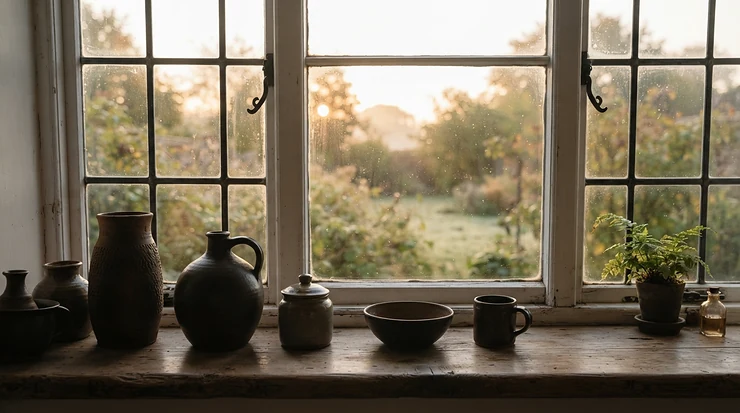
Ceramic wax burners are small, tea-light-powered fragrance warmers made from glazed clay. A shallow dish sits above a hollow chamber. You drop a wax melt into the dish, light an unscented tea light below, and gentle heat releases scent without any wick burning down. Most also work as decorative ceramic oil burners, so one purchase covers both habits.
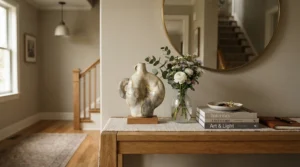
Why does the material matter? Ceramics are, quite literally, clay made permanent by fire. Pottery is traditionally divided into earthenware, stoneware and porcelain, and the glazed surface is what makes a burner wipe-clean rather than wax-stained. That’s why ceramic wax burners dominate UK mantelpieces. They take heat calmly, hold their shape and look good doing it.
Here’s the catch. Search for ceramic wax burners and you’ll wade through hundreds of near-identical white houses, hearts and stars. Same thing, different cut-out. This guide separates the burners worth your money from the ones that merely photograph well. We compare seven real options, from patterned ceramic wax burners with starry cut-outs to minimalist stoneware. For each, we explain what the specs mean in practice: bowl size, chamber height, glaze finish, and the unglamorous matter of whether you can light the thing without singeing a thumb.
Along the way we cover traditional tea-light design, hand-glazed ceramics (and what that phrase can and can’t promise), and how to treat these pieces as proper home décor accessories rather than afterthoughts. Prices are shown as ranges only, so always check the current price before you buy.
Ceramic Wax Burners at a Glance: Quick Comparison
| Burner | Style | Best For | Price Band (check current price) |
|---|---|---|---|
| ComSaf Star Pattern | Star cut-outs, set of two with spoons | Gifting and starry wall glow | Budget-to-mid, per set |
| ComSaf Blue | Split design, 180ml bowls | Oil users wanting big capacity | Budget-to-mid, per set |
| ComSaf Matte Black | Matte, hollow-cut pattern | Moody, modern interiors | Budget-to-mid, per set |
| Roov Stars | Star cut-outs, spoons included | Bargain pairs and stocking fillers | Budget, per set |
| Yankee Pebble | Smooth pebble, single piece | First-time wax melt buyers | Under £10 |
| Village Pottery Round House | Glazed rustic cottage | Shelves, mantels, cosy corners | Around £13-£16 |
| Sunu Stoneware | Compact stoneware, gloss or matt glazes | Design-led, minimalist homes | Under £20 |
Reading across the table, the ComSaf Star Pattern and Roov Stars are the twin-pack answer for anyone who wants patterned ceramic wax burners without spending much. The Sunu Stoneware is the pick if one beautifully glazed piece beats two merely pretty ones. The Yankee Pebble is a cheap and cheerful entry point, but it’s a plain pebble rather than a showpiece, while the Village Pottery Round House does the decorating for you with its glowing windows.
💬 Just one click — help others make better buying decisions too!😊
Top 7 Ceramic Wax Burners: Expert Analysis
A quick note on method. Specs below come from product listings and retailer pages found during research. Review comments are aggregated themes, not quotes, and where I couldn’t verify reviews I say so. Ratings and stock change often, so treat every figure as a snapshot.
1. ComSaf Star Pattern Ceramic Oil Burners (Set of 2) — best patterned glow for gifting
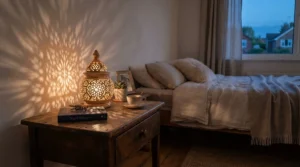
The star cut-outs are the whole point: light the tea light and the room fills with drifting constellations. Each burner measures roughly 10.5cm across and 11.5cm tall, which is chunky enough to hold a proper melt dish without looking like a toy. The listing says the ceramic is fired at 1300°C with a glossy mineral glaze. In practice that points to a hard, wipe-clean surface that shrugs off wax drips. Two candle spoons (3.5cm inner diameter) come in the box, so you can slide a lit tea light in and out without burnt knuckles.
Based on the spec comparison, this suits anyone who wants patterned ceramic wax burners that still look the part when unlit. The pairing also makes it a natural housewarming present. What most buyers overlook is the spoon. It’s the difference between a burner you use nightly and one you light twice and shelve.
Review sentiment on the amazon.co.uk listing was strong at the time of research, around 4.8 stars from several thousand ratings. Reviewers consistently praise the look and the tea-light spoons, though breakage in transit appears in feedback across ComSaf’s range, so inspect the pieces on arrival.
Pros:
- ✅ Star pattern casts a lovely wall glow
- ✅ Two burners and two spoons included
- ✅ High-fired, glossy glaze wipes clean
Cons:
- ❌ Bowls are modest for heavy oil use
- ❌ Fragile if posted carelessly
Price: set-of-two territory in the budget-to-mid band; check current price. The value verdict is excellent for what you get.
2. ComSaf Blue Split-Design Ceramic Oil Burners (Set of 2) — biggest bowl for long sessions
The headline here is capacity. Each bowl is listed at 180ml, with up to eight hours of continuous diffusion quoted for oil use. That’s double the 90ml bowls on the black set, a real difference if you burn oils with water rather than wax melts. Each burner stands about 13cm tall and 9cm across. The split design lets the base work as a candle holder when you want light without scent, and the listing notes lead-free ceramic, a sensible reassurance for anything living next to heat and fragrance.
On paper this is the most flexible pick: big bowl, versatile base, spoons for lifting tea lights. Wax melt fans get less from the extra volume, though, since a melt only needs a thin pool. They’d be paying for capacity they won’t use. Fire services advise against melting wax for more than four hours at a time, so read the eight-hour figure as capacity, not a schedule.
The listing sat at roughly 4.6 stars from a couple of thousand ratings at the time of research. Reviewers frequently like the handled spoon, which makes removing the tea light feel safer. It’s an ingenious little detail.
Pros:
- ✅ Generous 180ml bowl for oil blends
- ✅ Base doubles as a tea-light holder
- ✅ Lead-free ceramic with handled spoons
Cons:
- ❌ Oversized for single wax melts
- ❌ Eight-hour claim tempts unsafe long burns
Price: set-of-two in the budget-to-mid band; check current price. It’s good value for oil users and overkill for everyone else.
3. ComSaf Matte Black Hollow-Cut Ceramic Oil Burners (Set of 2) — moodiest look for modern rooms
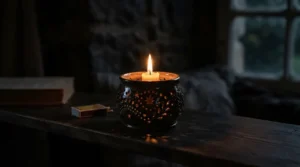
Matte black ceramic with a hollow-cut pattern lets the flame glow through in tiny points of amber. It’s the Scandinavian-noir option, and it looks sharp beside pale walls, brass and plants. The bowls are listed at 90ml with a candle tray, and the diameter is about 4.5 inches (roughly 11cm). That’s ample for a wax melt or a handful of oil drops.
Here’s what the spec sheet won’t tell you, but common sense suggests. A dark matte glaze is forgiving of wax discolouration, yet it shows dust and fingerprints more readily than glossy white. If you’re a tidy dusting type, that won’t bother you. If you’re not, a glossy burner may flatter you more. Among patterned ceramic wax burners, this is the one that best suits grown-up décor.
I couldn’t verify a deep review pool for this exact variant, since the listing mirrors I found carried only a handful of comments. Treat sentiment here as unproven, although the wider ComSaf range averages well.
Pros:
- ✅ Matte black suits modern interiors
- ✅ Hollow-cut pattern gives pinpoint light
- ✅ Matching pair for symmetrical displays
Cons:
- ❌ Dark finish shows dust easily
- ❌ Review evidence is thin
Price: set-of-two in the budget-to-mid band; check current price. The value verdict is good if you’re buying for looks.
4. Roov Star Ceramic Oil Burners (Set of 2) — lowest-fuss bargain pair
This is the practical cousin of the ComSaf star set. Each burner is listed at 11.5cm high and 9.7cm in diameter, with an 8.2cm by 5cm tea-light spoon alongside. A two-year warranty is quoted. That’s unusual at this price and worth noting if you’re buying a gift and want recourse. The star cut-outs throw patterns across walls, and the dish accepts wax or oils.
Based on the specs, the sensible audience is anyone furnishing a rented flat, buying stocking fillers, or wanting a spare pair for the bedroom or hallway. Because the dimensions sit close to the ComSaf Star Pattern, the choice mostly comes down to price and seller reliability on the day.
I found this listing via a UK deals page rather than an Amazon product page, and I couldn’t verify independent customer reviews. Confirm the seller and the stock on amazon.co.uk before relying on it.
Pros:
- ✅ Two burners with spoons
- ✅ Two-year warranty quoted
- ✅ Star pattern at a low price
Cons:
- ❌ Review evidence not verified
- ❌ Availability and seller may vary
Price: comparable two-burner sets in UK retail run from roughly £6 to £16, and this sits at the cheaper end; check current price. Value verdict: very good if the seller checks out.
5. Yankee Candle Pebble Melt Warmer (Grey Lilac) — cheapest respectable starter
Sometimes the right answer is a plain pebble. This ceramic warmer measures about 12.3cm by 10cm by 10cm and follows the classic formula: melt in the dish, unscented tea light in the hollow beneath. The neutral grey-lilac glaze won’t fight your furniture. Yankee itself suggests mixing and matching melts to build custom blends, and a simple warmer encourages exactly that experimentation.
The honest analysis is that this is a utility piece, not a showpiece. It’s ideal for first-timers who aren’t sure the habit will stick, and for tucking onto a bathroom shelf. There’s no spoon and no pattern, so lighting it means working carefully with a long match or taper. On the plus side, it’s easy to clean and hard to break accidentally.
Retailer listings I found showed around 120 reviews. I couldn’t confirm the average or the main themes, so I won’t characterise them. Availability on amazon.co.uk varies, so check the listing.
Pros:
- ✅ Very low entry price
- ✅ Neutral colour suits most rooms
- ✅ Compact footprint for small shelves
Cons:
- ❌ No pattern or decorative flair
- ❌ No tea-light spoon
Price: generally under £10; check current price. It’s the best value on this list for beginners.
6. Shudehill Village Pottery Grey Round House Wax Melt & Oil Warmer — little windows that actually glow
A rustic round cottage in grey and cream glaze, complete with tiny windows that light up when the tea light is burning. That’s traditional tea-light design at its most charming. You slot the tea light in at the rear, and the windows glow like a village at dusk. Retailers describe it as shelf-ready, and it genuinely is.
Looking at this on paper, the rear-loading chamber is the one thing to weigh. It looks lovely, but lighting and removing the tea light from behind may be fiddly without a spoon or long lighter. That’s a minor trade-off for something that earns its place on a mantelpiece. It suits seasonal displays, cottage-style rooms and gift buyers who want character.
I couldn’t verify a pool of independent reviews, so I’m not summarising sentiment. Check seller and stock on amazon.co.uk.
Pros:
- ✅ Glowing windows look charming
- ✅ Rustic glaze suits cottage décor
- ✅ Works for wax melts and oils
Cons:
- ❌ Pricier than plain warmers
- ❌ Rear tea-light access may be fiddly
Price: around £13-£16 at gift retailers; check current price. The value verdict is good if you’re buying decoration first and fragrance second.
7. Sunu Stoneware Wax Melt/Oil Burner — best minimalist glaze finish
Stoneware is fired at higher temperatures than earthenware, typically around 1,100°C to 1,200°C, so it’s denser and tougher. This compact, minimalist burner comes in three glazes sourced from North India: midnight blue and light grey in gloss, pistachio green in matt. The retailer says it warms up pretty quickly with a standard tea light, which is the practical test that matters.
Analytically, this is the choice if you’d rather own one lovely object than a pair of cheerful ones. The restrained shape slots into most interiors, and the colour options let you match a shelf rather than fight it. To be clear, the retailer doesn’t describe it as hand-glazed. Don’t pay a premium for a label the listing hasn’t made.
I couldn’t verify independent customer reviews, so sentiment is unconfirmed. It was found at a UK homeware retailer, so check whether an amazon.co.uk listing exists.
Pros:
- ✅ Dense stoneware with attractive glazes
- ✅ Three colours, gloss or matt
- ✅ Warms quickly on a standard tea light
Cons:
- ❌ Highest price for a single piece
- ❌ No spoon mentioned
Price: under £20; check current price. Value verdict: fair for design-led buyers, less so for bargain hunters.
How to Choose Ceramic Wax Burners: 6 Steps That Actually Matter
- Start with the bowl, not the pattern. A deeper, wider dish holds two heart-shaped melts without overflow. Wax melt fans want a shallow, wide dish, and oil users want volume.
- Match the chamber to a four-hour tea light. Several UK retailers recommend four-hour tea lights only, because longer-burning ones create more heat. Check the maker’s guidance before buying anything bigger.
- Check the gap between flame and dish. If the distance is too great with a small tea light, wax melts slowly. If the ceramic is thick, a good-quality tea light around 2cm tall may suit it better.
- Inspect the glaze and base. Glossy glazes wipe clean easily, while matt finishes hide wear. A flat, stable base matters more than any pattern.
- Decide how much pattern you want. Cut-outs make wall shadows. Solid shapes are easier to dust and clean.
- Plan for tea-light access. A spoon or a front opening saves fingertips. Rear-loading designs look charming but need a long lighter.
Decorative Ceramic Oil Burners vs Wax Melt Burners: Is There Any Real Difference?
Mostly, no. One UK wax melt specialist notes that oil burners are sometimes called wax melt burners when sold in a gift box with melts, and otherwise there’s no difference. A good set of decorative ceramic oil burners will handle both, but the habits differ.
Wax melts need a shallow dish and a gentle heat source. A thin pool of wax releases scent well, and the dish cleans out when cool. Oils behave differently. Many users add water to the dish with a few drops of essential oil, so a larger bowl suits that approach. Follow the maker’s guidance on quantities. A sensible safety note from Mid and West Wales Fire and Rescue Service: never let an oil burner boil dry, since depending on the design it may crack or even catch fire.
In practice, the bigger bowls of the ComSaf Blue suit oil routines, while the shallower Yankee Pebble suits melts. If you plan to switch between both, a mid-sized dish such as the ComSaf Star Pattern is the sensible compromise. Decorative ceramic oil burners earn their keep when they’re versatile, so prioritise bowl depth and tea-light access over the pattern on the outside.
Patterned Ceramic Wax Burners: What the Cut-Outs Actually Do
Cut-outs aren’t just decoration. They shape how light spreads, and they also give the chamber ventilation. One UK supplier highlights window-shaped holes on its house burner specifically for safe air flow, and a tea light that can breathe burns more reliably. So patterned ceramic wax burners can be both prettier and more practical than solid ones.
The trade-offs are small but real. Intricate cut-outs collect dust and wax splashes, and narrow apertures can make lighting tricky. Star patterns like those on the ComSaf Star Pattern and Roov Stars throw the most dramatic shapes on walls. The hollow-cut matte finish of the ComSaf Matte Black gives a softer, pinpoint glow. Windows, like those on the Village Pottery Round House, create a different effect: a lantern look rather than a projection.
When you compare patterned ceramic wax burners, ask where you’ll place them. A pattern that throws shapes needs open wall space nearby, while a windowed cottage just needs a shelf. Pick the effect that matches the room.
Hand-Glazed Ceramics: What the Glaze Is Really Telling You
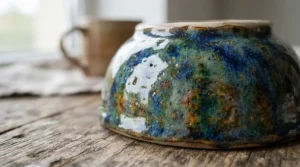
Glaze is a glassy coating fused onto ceramics. It decorates the piece, makes earthenware impermeable and gives a tougher surface. On a wax burner, that means wipe-clean convenience and heat tolerance, which is why hand-glazed ceramics and factory-glazed pieces can perform similarly day to day.
So what does “hand-glazed” really mean? Often it’s a marketing signal about brushed or dipped finishes and small imperfections. One UK supplier states its seasonal burners are handmade and hand-painted, so slight variations should be expected. That’s a charming trade-off, not a defect. A listing that claims hand-glazed ceramics should say who made them and how. Without that, treat it as a style, not a guarantee.
Firing matters too. Stoneware is typically fired around 1,100°C to 1,200°C, while porcelain goes higher. The ComSaf Star Pattern quotes 1300°C, and the Sunu Stoneware is described as stoneware with glazes sourced from North India. Neither listing, as far as I found, calls itself hand-glazed. If you want genuine hand-glazed ceramics, buy from a maker who tells you so, and expect to pay more.
Traditional Tea-Light Design vs Electric Warmers
The traditional tea-light design has a flicker you simply can’t fake. It’s the reason most people choose ceramic wax burners in the first place. It also brings an open flame, and Fire Scotland’s guidance is clear that tea lights are as dangerous as any candle. The metal pot can get hot enough to melt plastic. Burners should sit on a stable, heat-resistant surface and never be left unattended.
| Factor | Traditional Tea-Light Ceramic | Electric Warmer | Best For |
|---|---|---|---|
| Ambience | Real flicker and glow | Steady, flame-free | Tea-light for mood |
| Heat control | Fixed by tea light | Often adjustable or timed | Electric for routine |
| Overnight use | Never | Only with auto shut-off | Electric for sleeping rooms |
| Upfront cost | Low, e.g. Yankee Pebble | Mid-range, needs a socket | Tea-light for budgets |
| Look | Shadows, windows, patterns | Sleeker, less theatre | Tea-light for décor |
Looking at the table, traditional tea-light design wins on atmosphere and cost, while electric warmers win on convenience and safety margins. The Range suggests only electric burners with auto shut-off timers for drifting off to sleep. If you want a living-room glow, pick a burner like the Village Pottery Round House, and if you want hands-off scent, go electric.
Ceramic Wax Burners as Home Décor Accessories
The best home décor accessories do double duty, and ceramic wax burners are quietly brilliant at it. They bring scent, light and sculptural form for the price of a takeaway. Styled well, they look deliberate rather than accidental.
Think in odd numbers and levels. A pair like the ComSaf Star Pattern suits symmetry, one on each side of a mantel or console. A single Sunu Stoneware in pistachio green works on a bedside table or kitchen shelf. Beside a stack of books or a houseplant, the Village Pottery Round House brings that “village at dusk” feel.
Match glaze to room. Gloss reflects light and brightens pale rooms. Matt finishes feel calmer and suit darker palettes, and the ComSaf Matte Black is the obvious partner for slate walls and brass. Keep burners where nobody will knock them, away from curtains and plastic surfaces. Treated as home décor accessories, they’ll earn a permanent spot rather than a cupboard.
Safety Guide: Using Ceramic Wax Burners Without Drama
Ceramic wax burners are friendly, but they involve flame and hot wax. The safety basics are refreshingly simple. Essex County Fire and Rescue Service advises using a wax melter designed for wax melts, not a hot plate or candle warmer. It also says to avoid melting for more than four hours at a time, and to keep burners away from curtains, furniture and bedding.
Other practical rules:
- Place burners on a level, heat-resistant surface.
- Don’t move a burner while the tea light is lit.
- Use an unscented tea light and keep matches out of the holder.
- Keep burners away from children and pets.
- Choose good-quality wax melts, because homemade ones can ignite at lower temperatures.
Pair that with a working smoke alarm, and you’ve covered most of the risk. Retailer guidance also recommends four-hour tea lights, since longer-burning ones produce more heat. That applies across every model here, from the Yankee Pebble to the Sunu Stoneware.
Practical Usage Guide: Your First 30 Days with Ceramic Wax Burners
Day 1: set-up. Wash the dish if it arrives dusty, dry it and sit the burner on a heat-resistant mat. Use an unscented four-hour tea light, then light it with the spoon if your set includes one, such as the ComSaf Blue. Start with one melt cube, not three.
Week 1: learn your burner. Notice how long your melt takes to start releasing scent. A thick ceramic wall may need a slightly taller tea light. Keep sessions under four hours, extinguish the flame before bed and always let the wax and burner cool completely before touching or moving them, as Lancashire Fire and Rescue Service recommends.
Week 2 onward: maintenance. Wipe liquid wax with kitchen roll while it’s warm (carefully), then clean the dish with a damp cloth once cool. Avoid scratching the glaze with metal tools.
Common first-month mistakes:
- Using eight-hour tea lights
- Moving a lit burner
- Burning too many melts at once
- Leaving the burner near curtains
Fix those and your Roov Stars or Yankee Pebble will outlast the novelty.
Real-World Scenarios: Matching Ceramic Wax Burners to Your Home
The renter on a budget. A flat-share bedroom, a shoestring budget and a mild scent habit. The Yankee Pebble is the cheapest respectable start. If you want a pattern, the Roov Stars is another budget option, provided the seller checks out. Use one melt at a time and a cheap pack of four-hour tea lights.
The home-styling enthusiast. A pale living room, a mantelpiece to dress and guests expected. A pair of ComSaf Star Pattern burners gives symmetry and that wall glow, while a Sunu Stoneware adds a considered accent for the sideboard. Budget lands in the mid-range.
The oil devotee. Evening routines built around essential oils, usually in a bigger room. The ComSaf Blue and its 180ml bowls give room to work. Keep sessions short and never let the dish boil dry.
The gift buyer. Cottagecore friend, small budget. The Village Pottery Round House is the characterful pick. A twin set like the ComSaf Matte Black suits the minimalist friend.
Each scenario keeps the same rule: choose by room, routine and budget, then buy the best-built option you can afford.
Long-Term Cost and Maintenance
Ceramic wax burners are cheap to run. The ongoing spend is tea lights and melts, not electricity. The upfront cost, meanwhile, spreads across years if the piece survives, so durability and glaze quality matter more than the sticker price.
| Tier | Burners | Price Band | Trade-Off | Best For |
|---|---|---|---|---|
| Budget | Yankee Pebble | Under £10 | Plain styling | Beginners |
| Mid | ComSaf Star Pattern, ComSaf Blue, ComSaf Matte Black, Roov Stars | Set of two, check price | Variable packaging and quality | Pairs and gifts |
| Premium | Village Pottery Round House, Sunu Stoneware | Around £13-£20 | Single piece, higher cost | Décor-led buyers |
The mid tier offers the best cost-per-burner, since you get two pieces for the price of one premium item. The premium tier pays off if you value glaze, shape and finish above quantity. Maintenance is minimal either way: wipe, dry, store upright and avoid sudden temperature shocks, since cold ceramic and a hot tea light can stress a thin piece.
Frequently Asked Questions
❓ Can I use essential oils in ceramic wax burners?
❓ What size tea light suits ceramic wax burners?
❓ How long can I leave ceramic wax burners lit?
❓ How do I clean wax from ceramic wax burners?
❓ Where should I place ceramic wax burners at home?
Conclusion
Ceramic wax burners are one of the few home décor accessories that earns its keep every evening. The best ones balance three things: a bowl that suits your wax or oil habit, a design that lights safely, and a glaze that looks good unlit. For most UK buyers, a twin set such as the ComSaf Star Pattern offers the strongest mix of pattern, practicality and price. Oil devotees will prefer the ComSaf Blue, moody-interior fans the ComSaf Matte Black, and bargain hunters the Roov Stars or Yankee Pebble. For something with real shelf presence, the Village Pottery Round House and Sunu Stoneware reward the extra spend.
Whichever you choose, follow the safe-use rules: four-hour tea lights, a heat-resistant surface, no moving a lit burner and never leaving it unattended. Treat decorative ceramic oil burners and patterned ceramic wax burners as both fragrance tools and furniture, and you’ll get years of cosy evenings from a very small purchase.
Recommended for You
- Wax Warmer For Small Spaces: 7 Best Picks For UK Flats (2026)
- Wax Warmer For Large Rooms: 7 Best Powerful Picks (2026)
- Electric Wax Warmers Under £20: 7 Best Cheap Picks (2026)
Disclaimer: This article contains affiliate links. As an Amazon Associate, I earn from qualifying purchases. If you purchase products through these links, we may earn a small commission at no additional cost to you.
✨ Found this helpful? Share it with your friends! 💬🤗
