
In This Article
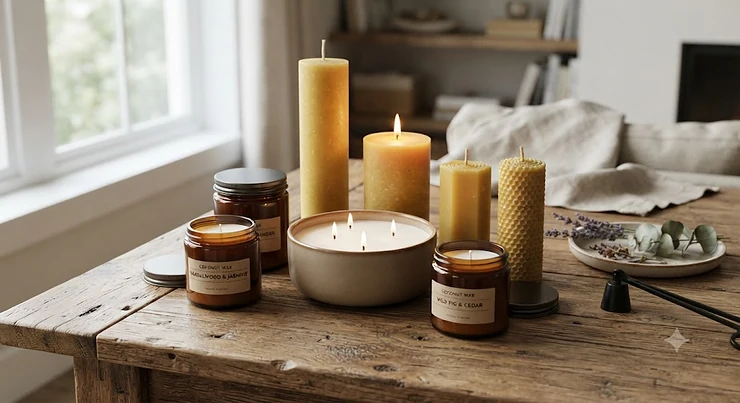
There’s a particular kind of disappointment that comes from lighting a candle, waiting for that first satisfying whiff of fragrance, and getting… nothing much at all. If you’ve been burned (sorry) by cheap paraffin candles that smoke, soot up your ceiling, or fizzle out halfway through their advertised burn time, you’re exactly why coconut wax candles have quietly become one of the fastest-growing categories in home fragrance. Coconut wax candles are made from hydrogenated coconut oil, a naturally soft, low-melting-point wax prized for its clean burn, minimal soot, and unusually strong “cold throw” and “hot throw” — candle-industry shorthand for how well a candle smells sitting unlit versus while burning. Candles themselves have a much longer history than coconut wax specifically; the history of the candle stretches back through tallow and beeswax long before plant-based waxes like coconut and soy entered the picture in the late 20th century.
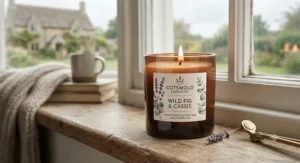
What most first-time buyers don’t realise is that coconut wax is almost never used alone. On its own it’s too soft to hold its shape at room temperature, so reputable makers blend it with soy, beeswax, or rapeseed wax to create something sturdy enough to survive a UK summer without turning into a puddle. That blending is not a red flag; it’s standard practice, and it’s precisely why the coconut wax candles worth buying tend to specify their blend ratio rather than hide it.
Across this guide, we’ve dug into real products, real specifications, and genuine aggregated customer feedback to help you choose sensibly — whether you want a luxury gift, a everyday mood-setter, or an entry point into tropical scented candles and creamy wax candles that don’t cost the earth. We’ll also unpack the wider world of premium candle wax types so you understand exactly what you’re paying for.
Quick Comparison Table
For readers short on time, here’s how our seven picks stack up before we go deeper into each one.
| Candle | Wax Type | Approx. Size | Burn Time | Best For |
|---|---|---|---|---|
| Voluspa Blond Tabac | Coconut wax blend | 5.5 oz | ~50 hrs | Gifting, woody scent lovers |
| Voluspa Saijo Persimmon Mini Tin | Coconut wax | 4 oz | ~25 hrs | Budget sampling, stocking fillers |
| Aloha Bay Vanilla Bean Candle | Coconut wax + essential oil | 11 oz | ~30-40 hrs | Fair-trade shoppers, natural scent fans |
| Aloha Bay Coconut Wax Tealights (72-pack) | Coconut wax | Multi-pack | ~4-5 hrs each | Bulk use, ambience, dining |
| Aloha Bay Coconut Taper Candles (4-pack) | Coconut wax | 9 inch tapers | ~9 hrs each | Dinner parties, dripless display |
| Hinoki Fantôme Candle | Soy & coconut wax blend | 8.5 oz | ~50 hrs | Unisex, spa-style fragrance |
| La Jolie Muse Vanilla & Coconut | Soy wax (coconut-scented) | 12.3 oz / 350g | 70-90 hrs | Soy-wax loyalists wanting a coconut profile |
Looking across the table, it’s clear there’s no single “best” coconut wax candle — the right pick depends heavily on whether you want a pure coconut wax formula, a coconut-soy blend, or simply a candle that smells of coconut. Budget-conscious buyers will lean toward the Aloha Bay tealights and tapers, while those buying a gift will likely gravitate toward Voluspa Blond Tabac for its presentation and burn time. We’ll unpack exactly why in the sections below.
💬 Found a favourite already? Save this page and compare prices before you commit — coconut wax candle prices shift often, so always check current pricing on the product page.
Top 7 Coconut Wax Candles: Expert Analysis
Coconut wax candles occupy a strange middle ground in the fragrance world — pricier than the average supermarket soy candle, but rarely as expensive as a full-blown designer scent. Here’s our honest breakdown of seven genuinely available options spanning budget, mid-range and premium.
1. Voluspa Blond Tabac — best for a woody, unisex scent profile
Voluspa Blond Tabac leans into tobacco-and-vanilla territory rather than the coconut-cream cliché, which is exactly why it earns its spot here: it demonstrates how versatile a coconut wax base can be. The candle uses Voluspa’s proprietary coconut wax blend housed in a mirrored gold glass jar, paired with all-natural wicks, and delivers roughly 50 hours of burn time from its 5.5 oz fill. In practice, that means the wax pool forms evenly across the jar’s diameter within the first burn or two, which is the visual cue that tells you a wax blend is behaving correctly rather than tunnelling down the middle.
Based on the brand’s own positioning and aggregated retailer feedback, this candle suits people who find typical “coconut candles” too sweet — the tobacco, sandalwood and vanilla husk notes sit on a coconut wax carrier rather than smelling overtly tropical. Reviewers consistently note that Voluspa’s coconut wax blend burns notably cleaner than a straight soy candle of similar size, producing less visible soot on the jar’s inner rim. Where the spec sheet won’t tell you the full story: the mirrored glass jar looks expensive in photos but can obscure how much wax remains, so first-time buyers sometimes assume they’ve run out sooner than they have.
Pros:
- ✅ Coconut wax blend burns cleanly with minimal soot build-up
- ✅ Sophisticated, gender-neutral scent profile for gifting
- ✅ Reusable mirrored glass jar with genuine home-decor value
Cons:
- ❌ Smaller 5.5 oz size means repeat purchases for daily burners
- ❌ Opaque jar makes it hard to judge remaining wax at a glance
At around the mid-£20s range, this sits firmly in “treat yourself or someone else” territory rather than everyday burning. If you’re after tobacco-forward fragrance on a genuinely clean-burning wax, it earns its price; if you just want something that smells like a piña colada, look further down this list.
2. Voluspa Saijo Persimmon Mini Tin — best low-commitment sampler
Not every coconut wax candle needs to be a statement piece, and the Voluspa Saijo Persimmon Mini Tin proves the point. At 4 oz with roughly 25 hours of burn time, it’s built explicitly for sampling a fragrance house before committing to a larger jar, or for slipping into a gift bag without blowing the budget. It uses the same proprietary coconut wax formulation as Voluspa’s larger candles, scaled down into a compact tin.
What this size sacrifices in longevity, it makes up for in low-risk experimentation — you’re not out much if the scent doesn’t land for you, which matters given fragrance is famously subjective. Aggregated feedback on Voluspa’s smaller tins tends to praise the “cold throw” (the unlit scent) as noticeably stronger than competitors’ minis, likely because the tin’s shallow, wide surface area helps release fragrance even before lighting. On the flip side, tin candles heat up faster than glass, so they need a heatproof surface underneath.
Pros:
- ✅ Genuine coconut wax at an accessible entry price point
- ✅ Compact tin ideal for gifting, travel, or trial runs
- ✅ Strong unlit scent throw for the size
Cons:
- ❌ Shorter 25-hour burn time versus full-size jars
- ❌ Metal tin conducts heat, so needs a protective surface
Priced well under £15 typically, this is the candle to hand to a friend who’s curious about coconut wax but isn’t ready to spend £25+ on an unfamiliar scent house.
3. Aloha Bay Vanilla Bean Candle — best for genuinely natural ingredients
Aloha Bay has spent three decades building a reputation around fair-trade, plant-based candle-making, and the Aloha Bay Vanilla Bean Candle is a solid showcase of that philosophy. It’s made from coconut wax scented with essential oil rather than synthetic fragrance, poured into an 11 oz glass jar, and the brand is a certified member of the World Fair Trade Organization — a detail that matters if ethical sourcing influences your buying decisions as much as scent does.
On paper this means a gentler, less linear scent than synthetic-fragrance candles: essential-oil-scented candles typically smell “rounder” and less sharp than lab-blended fragrance oils, though the trade-off is usually a subtler throw across a room. Reviewers have noted mixed experiences with scent strength on unscented or lightly-scented Aloha Bay lines, with some finding the vanilla note fainter than expected — worth flagging honestly rather than oversell. What reviewers do agree on is the clean, sparkly finish of the coconut wax itself once set, and a burn that avoids the harsh sooting associated with lower-grade waxes.
Pros:
- ✅ Genuine coconut wax scented with essential oil, not synthetic fragrance
- ✅ Fair Trade-certified sourcing appeals to ethically-minded buyers
- ✅ Clean, sparkly wax finish with minimal sooting
Cons:
- ❌ Scent throw can run fainter than fragrance-oil competitors
- ❌ Packaging is more function-first than gift-ready
In the mid-teens to low-£20s bracket depending on retailer, it’s a fair value pick for anyone who prioritises ingredient transparency over Instagram-ready packaging.
4. Aloha Bay Coconut Wax Tealights (72-Pack) — best for bulk everyday use
If you burn tealights the way most households burn kitchen roll — constantly, and without much ceremony — the Aloha Bay Coconut Wax Tealights (72-Pack) are worth knowing about. These are unscented, made from coconut wax, and designed to burn completely with no wax residue left in the cup, which solves the classic tealight problem of half-melted discs cluttering a drawer.
The real-world meaning here is simple: coconut wax’s lower melting point means it liquefies and consumes itself more thoroughly than paraffin tealights, which often leave a hardened rim behind. For anyone using tealights for ambient lighting, oil burners, or warming trays rather than fragrance, that full-burn behaviour translates into genuinely less waste per pack. Aggregated buyer feedback highlights the “no mess” cleanup as the standout practical benefit, alongside a steady, low flame that suits accent lighting rather than main-room scenting duty.
Pros:
- ✅ Coconut wax burns completely, leaving minimal residue
- ✅ Bulk 72-pack works out cost-effective per tealight
- ✅ Unscented, so suits allergy-conscious households and layering
Cons:
- ❌ No fragrance, so it won’t scent a room on its own
- ❌ Individual burn time is short at 4-5 hours per tealight
At roughly £15-£20 for the full pack, the cost-per-tealight comfortably undercuts boutique scented tealights, making this the pragmatic pick for anyone burning candles daily rather than occasionally.
5. Aloha Bay Coconut Taper Candle (4-Pack) — best for dinner-table occasions
Taper candles rarely get the spotlight in wax debates, but the Aloha Bay Coconut Taper Candle (4-Pack) solves a real annoyance: dripless burning. Made from coconut wax and finished with pure cotton wicks, each 9-inch taper burns for roughly 9 hours and is designed not to shed wax down the sides of a candlestick holder — a common complaint with cheaper paraffin tapers at dinner parties.
What that spec means in practice is fewer ruined tablecloths and less scraping wax off candlesticks the next morning. Because coconut wax burns at a lower, steadier temperature than paraffin, the flame tends to stay more consistent rather than guttering in a draught, which is exactly the behaviour you want from a taper meant to last through a full meal. Feedback on this style of coconut taper generally praises the clean finish and steady burn, while noting that unscented tapers won’t contribute fragrance to a room the way a jar candle would.
Pros:
- ✅ Dripless coconut wax formula protects tablecloths and holders
- ✅ Steady, even flame suited to formal dining settings
- ✅ Cruelty-free and made without synthetic dyes
Cons:
- ❌ Unscented, so purely a lighting and decor choice
- ❌ Standard taper holders required; not freestanding
Typically priced under £15 for the four-pack, this is an easy recommendation for anyone hosting regularly who’s tired of paraffin wax pooling on good furniture.
6. Hinoki Fantôme Scented Candle — best for a spa-like, gender-neutral scent
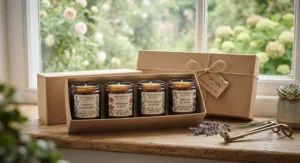
Moving into soy-coconut blend territory, the Hinoki Fantôme Scented Candle combines Japanese cypress, jasmine and smoked amber over an 8.5 oz soy-and-coconut wax blend, with a claimed 50-hour burn and a cotton wick. The “hinoki” reference nods to Japanese cypress wood, long associated with spa and onsen environments, and the fragrance profile leans into that calm, woody-green territory rather than anything overtly sweet.
Here’s what most buyers overlook about blended waxes like this one: combining soy and coconut wax is a deliberate engineering choice, not a cost-cutting shortcut. Soy adds structural firmness (useful in warmer rooms or during a British heatwave), while coconut wax boosts scent throw and burn cleanliness. The result, based on the spec comparison with single-wax candles, tends to be a more temperature-resilient candle that still benefits from coconut wax’s fragrance-carrying properties. Aggregated reviews of similarly positioned spa-style candles tend to highlight longevity of scent through the burn as the main selling point, with occasional notes that the fragrance is more “background ambience” than room-filling.
Pros:
- ✅ Soy-coconut blend balances structure with scent throw
- ✅ Unisex, spa-inspired fragrance suits any room
- ✅ Solid 50-hour burn time for the price bracket
Cons:
- ❌ Fragrance leans subtle rather than room-filling
- ❌ Less widely reviewed than bigger-name brands
Sitting in the £20-£30 range typically, it’s a strong pick for anyone who wants the practical benefits of coconut wax without going fully tropical in fragrance.
7. La Jolie Muse Vanilla & Coconut — the honest comparison pick for soy-wax fans
We’re including the La Jolie Muse Vanilla & Coconut candle deliberately, and with full transparency: this is a natural soy wax candle scented with vanilla, tonka bean and a “soft hint of coconut” — not a coconut wax candle in the literal sense. We’ve kept it in the line-up because it’s one of the most-reviewed “coconut-adjacent” candles on the market, and comparing it honestly against true coconut wax picks is genuinely useful for buyers still deciding between wax types.
At 12.3 oz with a claimed 70-90 hour burn and a wood wick, it’s built for longevity rather than the faster-burning nature typical of pure coconut or coconut-blend waxes. Reviewers consistently praise the wood wick’s gentle crackle and the jar’s reusability once the candle is spent, alongside genuinely strong scent throw — unsurprising, since soy wax candles from established fragrance houses are often formulated with higher fragrance-load tolerances than delicate coconut wax blends. The trade-off, based on the spec comparison, is that buyers specifically chasing coconut wax’s burn characteristics (extra-clean burn, softer texture, lower soot) won’t get them here; they’ll get soy wax’s own strengths instead, wrapped in a coconut-vanilla scent.
Pros:
- ✅ Genuinely long 70-90 hour burn time for the price
- ✅ Wood wick adds ambient crackle and visual appeal
- ✅ Strong, well-reviewed vanilla-coconut fragrance throw
Cons:
- ❌ Not actually coconut wax — soy wax scented to smell like coconut
- ❌ Won’t deliver coconut wax’s specific clean-burn properties
Usually found in the high-teens to mid-£20s, it’s a legitimate buy for scent-first shoppers — just go in knowing you’re choosing soy wax with a coconut personality, not coconut wax itself.
Practical Usage Guide: Getting the Most from Your Coconut Wax Candle
Coconut wax behaves differently to paraffin from the very first burn, and most of the disappointment buyers report traces back to treating it like a candle they already know. On the first light, always aim for a full “melt pool” that reaches the edges of the container — because coconut wax has a lower melting point than paraffin or soy, this can take slightly longer on the first burn, sometimes 2-3 hours for a standard jar candle, but skipping this step causes tunnelling down the centre on every subsequent burn. Trim the wick to roughly 5mm before each lighting; coconut wax’s softer consistency means an untrimmed wick can create a larger-than-usual flame and uneven heat distribution across the pool.
Storage matters more with coconut wax blends than with paraffin. Because the wax softens at lower temperatures, candles left in direct sunlight, near radiators, or in a hot car boot during summer can develop a slightly grainy or “wet” surface — cosmetically odd but not unsafe, and it resolves once the candle is lit and re-set. Common mistakes in the first 30 days include burning for less than an hour at a time (which prevents the melt pool from ever reaching the edges) and moving a lit candle, which coconut wax’s lower viscosity makes riskier than with firmer waxes. For maximum scent throw, burn in a room with some air movement, but avoid direct draughts, which can pull the flame sideways and cause uneven wax consumption on one side of the jar.
Real-World Scenarios: Matching Coconut Wax Candles to Your Lifestyle
Picture three fairly typical buyers. First, there’s the renter furnishing a small flat who wants ambience without commitment — for them, the Aloha Bay Coconut Wax Tealights make sense: cheap per unit, no lingering fragrance to clash with a new sofa, and disposable enough that moving house doesn’t mean abandoning half-burnt jars. Second, consider someone buying a housewarming gift for a friend who “has everything” — here, Voluspa Blond Tabac earns its higher price through presentation, a distinctive scent unlikely to be a duplicate gift, and a burn time generous enough to justify the spend.
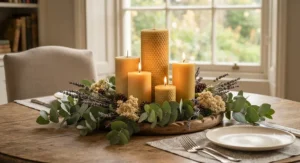
Third, imagine a family hosting a dinner party who wants a polished table setting without risking wax stains on an heirloom tablecloth. The Aloha Bay Coconut Taper Candles solve that specific problem through their dripless formulation, while a scented jar candle like the Hinoki Fantôme works quietly in the background elsewhere in the room, avoiding the clash of two competing fragrances at the table itself. In each scenario, the “best” coconut wax candle isn’t a fixed answer — it shifts based on budget, frequency of use, and whether scent or practicality is the priority.

How to Choose Coconut Wax Candles
- Check the wax blend ratio, not just the word “coconut.” Pure coconut wax can’t hold its shape reliably, so look for candles that state a percentage or name a blend partner (soy, beeswax, rapeseed) rather than vague “coconut wax” marketing copy.
- Match burn time to your usage pattern. A 25-hour mini tin suits occasional burners; a 90-hour jar suits daily use — buying the wrong one means either wasted wax or constant repurchasing.
- Decide if you want fragrance or scent-free. Coconut wax’s biggest practical advantages (clean burn, low soot) apply whether scented or not, so don’t assume you need a coconut-scented candle to get coconut wax’s benefits.
- Look for wick material transparency. Cotton and wood wicks both suit coconut wax, but wood wicks generally need a wider melt pool to stay lit, which matters in narrower jars.
- Consider container reusability. Coconut wax candles are frequently sold in glass jars marketed as reusable afterward — factor that secondary value into cost comparisons against cheaper disposable tins.
- Verify sourcing claims if ethics matter to you. Terms like “fair trade” or “sustainably sourced” should be backed by named certifications (such as World Fair Trade Organization membership) rather than unverifiable marketing language.
- Read aggregated reviews for scent throw specifically, since this is the single most subjective and most-debated attribute across every coconut wax candle on the market.
Coconut Wax vs Other Premium Candle Wax Types
| Wax Type | Burn Cleanliness | Scent Throw | Typical Price vs Paraffin | Best For |
|---|---|---|---|---|
| Coconut wax | Very clean, low soot | Excellent | Higher | Fragrance-focused, sensitive households |
| Soy wax | Clean, minimal soot | Good | Moderate | Everyday use, longer single burns |
| Beeswax | Very clean, natural scent | Mild (own honey scent) | Highest | Unscented, air-purifying ambience |
| Paraffin | Sootier, can smoke | Strong but synthetic-leaning | Lowest | Budget, high-volume retail candles |
The comparison above highlights why coconut wax candles cost more than a supermarket paraffin jar: you’re paying for a plant-based wax with a genuinely lower soot output and typically stronger fragrance retention, at roughly 8-12% scent load capacity according to industry wax suppliers. Soy remains the more budget-friendly plant-based option and burns longer per pound, but coconut wax edges ahead on scent throw and cleanliness, which explains its premium positioning. Candle wax manufacturing has traditionally relied on paraffin, beeswax and soy, with plant-based options like coconut wax being a relatively recent addition compared with paraffin’s dominance since the 19th century. It’s also worth noting that coconut cultivation isn’t automatically the “greenest” choice by every measure — research on tropical oil crops shows that land-use efficiency varies considerably between coconut, palm and rapeseed production, so buyers chasing sustainability should look for specific certifications rather than assuming “coconut” alone guarantees a lower environmental footprint.
Common Mistakes When Buying Coconut Wax Candles
The single biggest mistake is assuming “coconut wax candle” on packaging means 100% pure coconut wax — as covered above, this wax is virtually always blended, and brands that don’t disclose the blend ratio are worth approaching cautiously. A second common error is judging burn time purely from jar size; a wider, shallower jar burns through its wax faster than a tall, narrow one of identical volume, because more surface area is exposed to the flame at once. Buyers also frequently underestimate how much “cold throw” (unlit scent) varies between essential-oil-scented and fragrance-oil-scented coconut candles — essential oils tend to fade faster in storage, so a candle bought online and left unused for months may smell fainter than reviews suggested. Finally, many shoppers overlook wick trimming entirely, not realising that coconut wax’s soft consistency makes it more sensitive to an oversized flame than paraffin, leading to unnecessary soot that gets wrongly blamed on the wax itself rather than maintenance.
Tropical Scented Candles Explained
Not every coconut wax candle chases a tropical fragrance profile, but plenty do, and it’s worth understanding why coconut and tropical scents pair so naturally. Coconut wax has a genuinely mild, near-neutral base scent of its own, which means fragrance oils layered on top — pineapple, mango, rum, frangipani — come through with less “muddying” than they would over a stronger-smelling wax like beeswax. That’s part of why brands frequently choose coconut wax specifically for beach, cocktail, or holiday-themed candles rather than defaulting to soy or paraffin. Reviewers of tropical-scented coconut candles often note that the fragrance feels “brighter” or “truer to the real fruit” compared with similar scents on other waxes — a reasonably consistent pattern across aggregated feedback, likely tied to that neutral base. If you’re specifically hunting tropical scented candles, prioritise essential-oil or high-fragrance-load coconut wax blends over cheaper alternatives, since weaker formulations tend to lose tropical top notes (the lighter, fruitier elements) fastest during a burn.
Creamy Wax Candles: What “Creamy” Really Means
“Creamy” gets used loosely in candle marketing, but it typically refers to two separate things: the visual and tactile softness of the set wax itself, and a fragrance style built around vanilla, coconut milk, tonka bean or sandalwood notes that read as rich and dessert-like rather than sharp or floral. Coconut wax genuinely earns the “creamy” description on the textural side — its lower melting point gives it a smoother, almost velvety set compared with the harder, more crystalline finish of paraffin or straight soy wax. On the fragrance side, though, a candle can be marketed as “creamy” while being made from any wax type, which is exactly the situation with soy-based coconut-vanilla candles like the one we compared earlier in this guide. The practical takeaway: if creamy texture matters to you as much as creamy scent, check the wax composition specifically rather than relying on the word “creamy” in the product title.
Coconut Wax Candles for Different Buyers
Beginners to natural candles tend to do best starting with an unscented or lightly-scented coconut wax option, since it removes fragrance preference from the equation while still letting you judge burn quality, melt pool behaviour and soot output on their own merits. Gift buyers should prioritise presentation and recognisable branding — a named fragrance house with an established scent story tends to land better than an unfamiliar small-batch candle, however good the wax quality. Households with allergy or asthma concerns often gravitate toward essential-oil-scented coconut wax candles over synthetic fragrance oils, though it’s worth noting that even essential oils can trigger sensitivities in some people, so patch-testing scent tolerance with a small tin before committing to a large jar is sensible. Frequent burners — those lighting candles most evenings — get the best value from bulk formats like tealights or larger single jars, where the cost per hour of burn time drops significantly compared with smaller decorative tins.
Long-Term Cost & Maintenance
Coconut wax candles typically cost more upfront than paraffin equivalents, but the value calculation shifts once you factor in burn efficiency. Because coconut wax burns more slowly and completely than paraffin, with less wax wasted to soot and incomplete combustion, the effective cost-per-hour gap narrows considerably over the life of the candle. A rough comparison: a paraffin jar candle priced around £8-10 with a 30-hour burn time works out to roughly 30p per hour, while a coconut wax jar around £20-25 with an 80-90 hour burn works out closer to 25-28p per hour — genuinely comparable, and sometimes better value, despite the higher sticker price.
| Wax Type | Typical Price Range | Typical Burn Time | Approx. Cost Per Hour |
|---|---|---|---|
| Paraffin jar candle | Under £10 | 25-30 hrs | ~30p |
| Soy jar candle | £10-15 range | 40-50 hrs | ~25p |
| Coconut wax blend jar | £20-25 range | 70-90 hrs | ~25-28p |
This table underlines a point that’s easy to miss when comparing sticker prices alone: longer burn times on coconut wax and soy blends often offset the higher upfront cost, particularly for daily burners rather than occasional ones. Maintenance-wise, coconut wax candles need the same basic care as any premium wax — trimming wicks, keeping the wax pool clear of debris, and storing away from heat — but reward that care with a noticeably cleaner glass jar over the candle’s life, meaning less scrubbing once it’s spent.
✨ Ready to Upgrade Your Home Fragrance?
🔍 Compare the seven picks above side by side and pick the one that matches your budget and scent preference. Click through to check current pricing and availability before you buy, and give your home the clean-burning upgrade it deserves!
Safety & Regulations Guide
UK candle safety follows a mix of voluntary European standards (BS EN 15493 for fire safety, BS EN 15494 for labelling, and BS EN 15426 for sooting behaviour) alongside the legally binding General Product Safety Regulations and, where fragrance is involved, CLP (Classification, Labelling and Packaging) rules — the Business Companion product safety guidance sets these requirements out in detail for anyone wanting the full regulatory picture. In practice, this means any scented coconut wax candle sold in the UK should carry clear safety labelling, hazard information where relevant, and the supplier’s contact details. Basic burning safety applies regardless of wax type: always burn on a heat-resistant, stable surface, never leave a candle unattended, keep it at least 10cm from other burning candles, and extinguish once roughly 5mm of wax remains to avoid overheating the container. As Mid and West Wales Fire and Rescue Service advises, candles should always be kept away from draughts, soft furnishings and anything flammable, and burning several candles too close together can cause the flame to flare unexpectedly. Coconut wax’s lower melting point means the wax pool can feel deceptively cool to the touch while still being liquid enough to spill if the container is moved, so treat it with the same caution as any other burning candle rather than assuming “natural” equals “risk-free.”
Features That Actually Matter (And Those That Don’t)
Genuinely worth paying for: a stated wax blend ratio, a realistic burn-time claim backed by jar size and wick count, and transparent sourcing certifications if ethics matter to you. Largely marketing noise: claims of “100% pure coconut wax” (technically near-impossible in a freestanding candle), vague “luxury” branding language with no supporting detail, and elaborate packaging that adds cost without adding burn quality. Multi-wick jars are worth their premium only if the jar’s diameter genuinely needs it — a single well-placed wick in a narrow jar will outperform a poorly-spaced double wick in terms of even burning. Colour and dye are almost entirely cosmetic and have no bearing on scent throw or burn quality, so don’t pay extra for a specific shade unless it’s purely for decor matching.
Frequently Asked Questions
❓ Is coconut wax better than soy wax for candles?
❓ Can coconut wax candles trigger allergies?
❓ Why is my coconut wax candle tunnelling?
❓ Do coconut wax candles last longer than paraffin candles?
❓ Are coconut wax candles worth the extra cost?
Conclusion
Choosing between coconut wax candles ultimately comes down to being honest with yourself about what you actually want: a genuinely clean-burning, fragrance-forward wax, or simply something that smells vaguely tropical regardless of what it’s made from. Both are legitimate choices, but knowing the difference means you won’t feel short-changed when a “coconut” candle turns out to be soy wax wearing a coconut-scented costume. Our seven picks span that full spectrum deliberately — from Aloha Bay’s fair-trade, fragrance-free basics through to Voluspa’s polished, gift-ready jars — so there’s a sensible entry point whatever your budget or priority. Whichever you choose, the small habits covered in our usage guide (proper first burns, regular wick trims, sensible storage) will do more for your candle’s performance than any amount of extra spend on packaging. Coconut wax has earned its growing popularity honestly: it’s a genuinely different burning experience from paraffin, not just a marketing repackage of an old idea.
Recommended for You
- Best Pillar Candles 2026: 7 Beeswax & Decorative Picks Reviewed
- 7 Best Beeswax Pillar Candles UK (2026)
- Pure Beeswax Taper Candles: 7 Best Picks for 2026 UK Homes
Disclaimer: This article contains affiliate links. As an Amazon Associate, I earn from qualifying purchases. If you purchase products through these links, we may earn a small commission at no additional cost to you.
✨ Found this helpful? Share it with your friends! 💬🤗
